Case 3: Drammen
Name of project / programme:
Year of start / opening:
Country:
Target group:
Age:
City size:
Type of sport:
DNT Adapted (DNT tilrettelagt)
2014
Norway
Social-economically disadvantaged
children, youth, seniors
more than 100.000 inhabitants
Exercises to enhance general fitness / health, Playful movement, Ball games (e.g. soccer, basketball, volleyball….), Bouldering / climbing, Track and field, Snow sports
Content of project / programme
Short description:
“Aktive lokalsamfunn” is a model that involves all the municipality`s districts. The model is mostly based on a collaboration between local sport clubs and their nearby schools and contributes to activity both in- and outside of school.
Long description:
“Aktive lokalsamfunn” is a model where the schools, sport clubs and volunteers facilitate the joy of movement in primary school age, youth sports on the youth’s terms and the development of local communities with activity across generations.
“Aktive lokalsamfunn” is not a fixed model and is constantly evolving and involves many different sports and other activities in the local community. Local resources and facilities are linked together and take responsibility for developing local activities. A characteristic of “Aktive lokalsamfunn” is that the large multi-sports clubs in the municipality take on an extended responsibility for creating increased activity among children and young people. Among other things, professionals from the sport clubs organize various activities and sports in schools and kindergartens regularly. This ensures a more active school day and also lowers the threshold for children to participate in organized sports in their free time. Open sport halls outside of school hours with volunteer guards, as well as services that contribute to activity for the elderly are also part of the model for several of the local communities in the municipality.
The confederation of sports and the sports council were central to the start of what would later be called “Aktive lokalsamfunn”. When Drammen Municipality adopted an hour of physical activity in schools in 2014, the confederation of sports and the sports council brought together leaders from the schools and the municipality’s large multi-sports teams to discuss how they could make this possible together. This was the start of a social model where Sport clubs and their local communities take initiatives and ownership of their own projects. The municipal sport council seems to still be a driving force and advisor for the start-up of new local projects.
An important foundation for co-creation is also the employment of an activity and community developer in all the large multi-sport clubs. Funds for these positions come from a joint effort from the Municipality, the Sports Council, and foundations.
Drammen is a municipality with a high immigrant population and a relatively high proportion of children in low-income families. Drammen also stand out in that significantly fewer young people participate in a leisure organization, including sports. Most of the activities in “Aktive lokalsamfunn” are aimed at children and young people in general. Since the activities are free and offered in schools and in the local environment, it reaches many children from low-income families who might not otherwise participate in sports activities.
Aspects of good practice:
Aktive lokalsamfunn is considered a good practice because…
- It has expanded to involve all the city districts in- Drammen.
- It reaches different kind of target groups including social-economically disadvantaged
- it shows a high quality of long-term cooperation and co-creation
- of Meaningful involvement of target group
- of financial sustainability
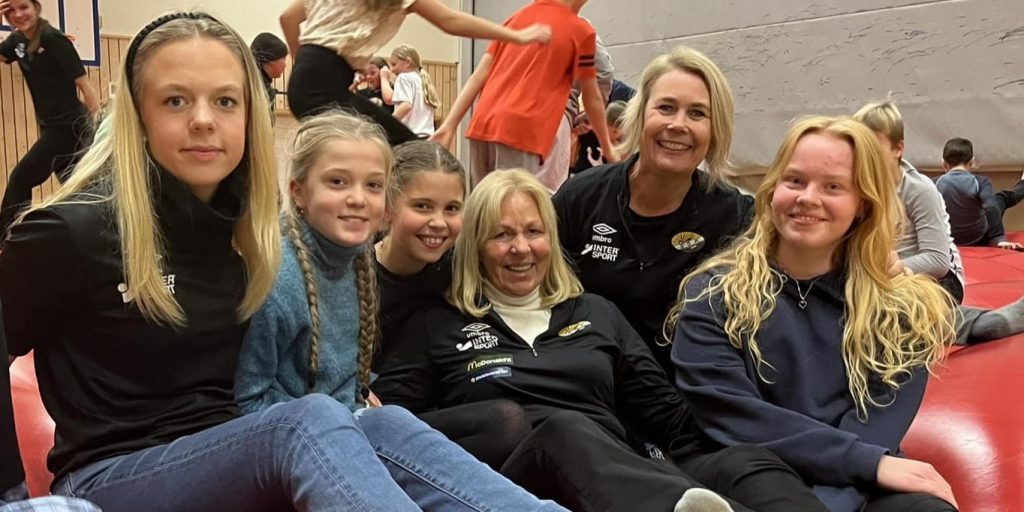
Picture 5: Aktive lokalsamfunn engages children and youth. Photo credit: Aktive Lokalsamfunn