Poland

Poland

Case 6: Głogów

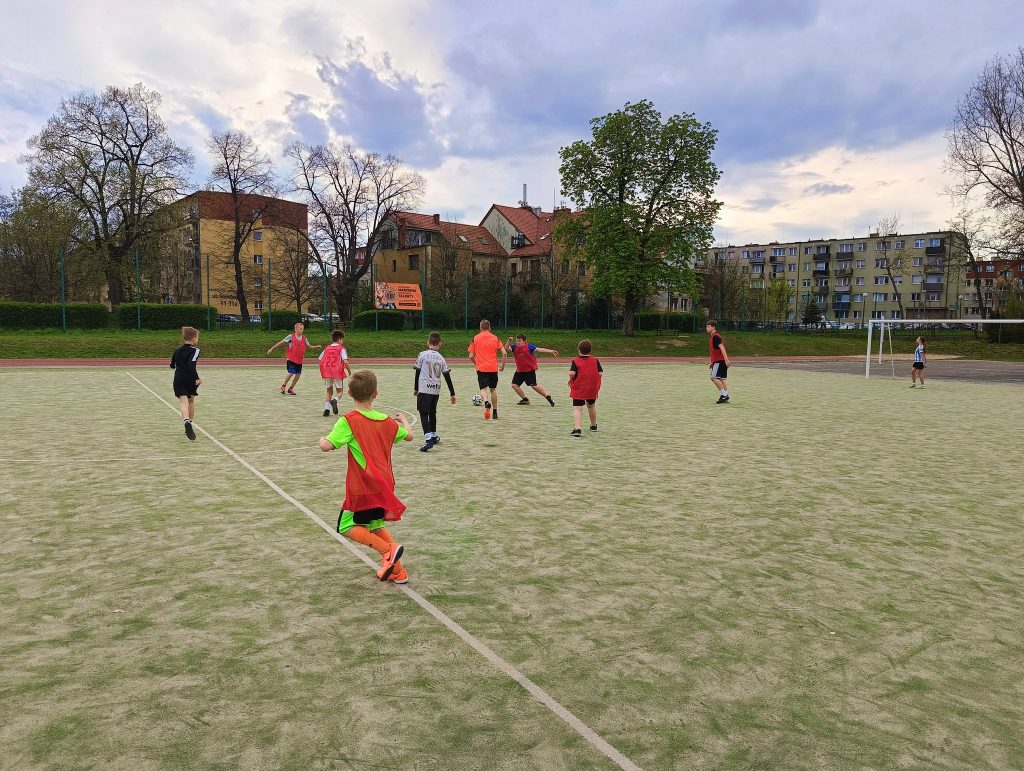
Case 6: Głogów Name of project / programme: Year of start / opening: Country: Target group: Age: City size: Type of sport: Trener Osiedlowy (Neighbourhood Coach) 2019 Poland Children and adolescents from urban neighbourhoods, with a focus on areas with limited access to organised sports Children and adolescents (approx. 6–16 years old) more than 100.000 inhabitants Ball games (primarily football), general physical activities Content of project / programme Short description: The ‘Trener Osiedlowy’ project is a sport-based social initiative run by Chrobry Głogów S.A., a professional football club. It delivers free, locally accessible physical activity sessions for children and young people in selected neighbourhoods of Głogów, in cooperation with local schools and the city authorities Long description: The ‘Trener Osiedlowy’ programme has been implemented in Głogów since 2019. It is coordinated by the football club Chrobry Głogów S.A., in cooperation with the City of Głogów and local partner institutions such as schools and the NGO Stowarzyszenie Szansa. The aim is to promote physical activity and support social development of children and adolescents, particularly those who are not involved in organised sport structures. The programme is based on regular, free-of-charge sports sessions delivered in accessible locations—mainly school playgrounds and local sports fields. In 2023, the initiative reached over 300 children across multiple neighbourhoods. Activities are conducted by licensed coaches employed by the club and additionally trained in child safeguarding practices. The programme is fully financed by the City of Głogów. In 2024, the municipal budget allocated 110,000 PLN (~€25,000) to the project. The funds cover coach remuneration, equipment, and coordination. In-kind support is provided by schools and other local institutions, which allow the use of facilities and help with participant recruitment. Monitoring and evaluation are conducted informally through coach reports and stakeholder feedback. Interviews conducted with school representatives and municipal officials confirm that the initiative has improved physical activity levels among children and fostered cooperation between education and sport sectors. A key element of the initiative’s success is the long-standing relationship between the club and local authorities. The programme remains relatively small in scale and operates without permanent infrastructure or strategic evaluation. Its continuity depends on annual public funding decisions and engagement of coaches and local partners. Aspects of good practice: This practice is considered a good example due to:– Its long-term and institutionalised partnership between a professional football club and local authorities– Use of existing public infrastructure with minimal investment needs– Specific focus on local community needs and children not engaged in mainstream sport– Regular delivery of sessions and sustained contact with participants– Inclusion of safeguarding and child development components in coach training Link to the website
Poland

Case 5: Nationwide – V4Sport Foundation

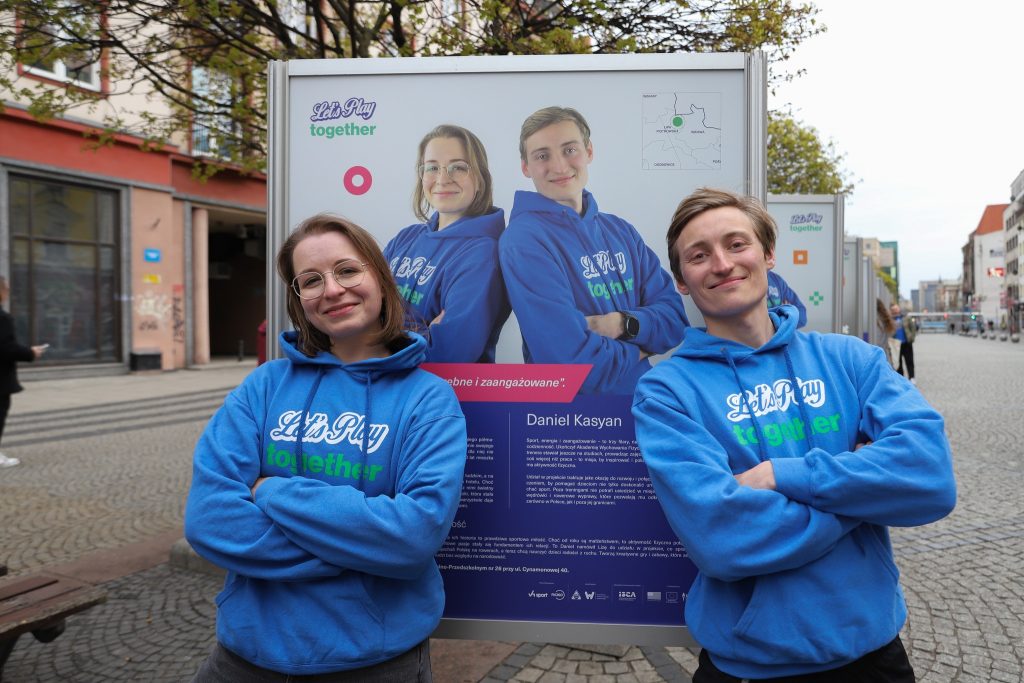
Case 5: Nationwide – V4Sport Foundation Name of project / programme: Year of start / opening: Country: Target group: Age: City size: Type of sport: Let’s Play Together 2024 Poland Children and young people, including those with disabilities, from migrant (Ukraine) backgrounds, and experiencing social or economic disadvantage as well as Polish children and young people Children and adolescents more than 100.000 inhabitants ((project implemented in urban and semi-urban locations)) Multi-sport, inclusive games, adapted physical activity Content of project / programme Short description: Let’s Play Together is an inclusive sport programme coordinated by the V4Sport Foundation. It creates accessible and safe environments where children and young people from diverse backgrounds can engage in physical activity together. The initiative includes sport festivals, school-based programmes, and community workshops focused on social integration through play. Long description: Let’s Play Together is an initiative launched in 2024 by the V4Sport Foundation, a Polish NGO with longstanding experience in designing and scaling innovative approaches to sport-based inclusion. Building on the Foundation’s earlier work—including the ‘Activity for All’ model, ‘Open Playgrounds’, and partnerships with international organisations like TAFISA and EOSE—the programme aims to improve integration of socially excluded children through non-competitive, inclusive sport and play. The programme is implemented in collaboration with schools, municipalities, and local NGOs. Its activities include inclusive sport events, open play sessions, and capacity-building workshops for teachers and coaches. One of its core components is co-designing activities with children, ensuring that their voices are reflected in how sport sessions are structured. Let’s Play Together is part of a broader commitment by V4Sport to promote equity, diversity, and inclusion in the Polish sport sector. Its methodology builds on universal design principles and draws from successful models piloted in previous Erasmus+ and national projects. The initiative uses publicly accessible spaces, such as schoolyards and parks, and involves local actors in sustaining long-term engagement. Funding is sourced from international cooperation projects. The initiative is monitored through participatory evaluation tools, including feedback from children, teachers, and community facilitators. Aspects of good practice: This practice is considered a good example due to:– Its continuity with previous inclusive sport models developed by V4Sport;– Its application of universal design and co-creation approaches;– Its focus on local partnerships with schools and NGOs;– Its combination of sport delivery with educational and community engagement strategies;– Its sustainability approach through institutional partnerships and multi-source funding. Link to the website

Poland

Case 4: Warsaw 2

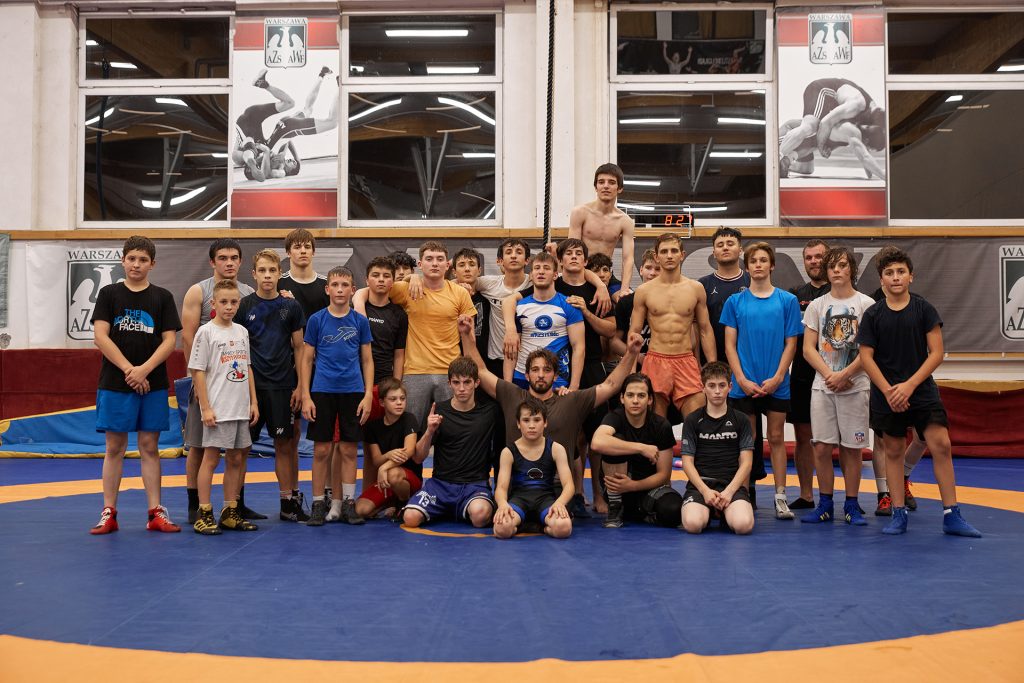
Case 4: Warsaw 2 Name of project / programme: Year of start / opening: Country: Target group: Age: City size: Type of sport: Kavkaz Wrestling Club 2021 (informal activities since 2019) Poland Refugees, migrants (primarily Chechen origin), socially disadvantaged youth Youth and adolescents more than 100.000 inhabitants Combat sports (wrestling, sambo, judo, strength and conditioning) Content of project / programme Short description: The Kavkaz Wrestling Club is a Warsaw-based sports initiative operating under the Kavkaz Association. It provides structured wrestling and combat sports training primarily for refugee and migrant youth. The club integrates athletic development with educational and social support. Long description: The Kavkaz Wrestling Club is run by the Kavkaz Association, a Warsaw-based NGO formally registered in 2021. The club evolved from informal training activities initiated in 2019, mainly targeting youth of Chechen origin. As of 2023, over 75% of participants are from refugee or migrant backgrounds. The club offers regular training in wrestling, sambo, judo, and general physical preparation. Training is provided at different intensity levels, ranging from 3 to 11 sessions per week. Groups are structured according to participants’ age, experience level, and sport-specific discipline. The coaching staff includes former athletes and licensed trainers. Kavkaz also implements complementary educational activities. In 2023, it launched an alternative schooling programme based on home education principles. Participants combine daily sports training with tutoring and vocational internships, mainly through cooperation with a private company (IVITER). Additional support includes provision of meals and assistance in navigating administrative systems (e.g. residency, health care, legal aid). The club’s sports achievements include multiple national medals in freestyle wrestling, including youth and junior categories. Its athletes have represented Poland at European and world championship levels. In 2023, the club organised several major events, including the Polish U22 Championships and the Sambo Kavkaz Cup. Funding sources include private sponsors (notably IVITER), short-term project-based public funding, and in-kind support. The club uses facilities provided on a low-cost basis and relies partly on voluntary work from coaches and community members. Operational continuity depends significantly on the engagement of the founding members and external partner contributions. Aspects of good practice: The Kavkaz Wrestling Club is considered a good practice because:– it reaches an underrepresented target group through sport;– it combines athletic, educational, and social elements in one programme;– it operates with limited infrastructure through network-based cooperation;– it delivers results in both competitive sport and community engagement;– it engages public and private actors, including local business partners. Link to the website

Poland

Case 3: Radom

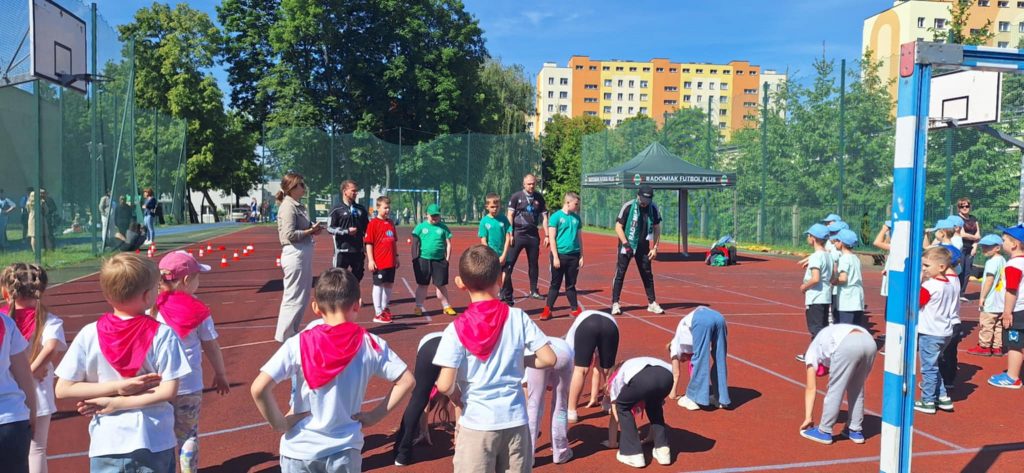
Case 3: Radom Name of project / programme: Year of start / opening: Country: Target group: Age: City size: Type of sport: Futbol Plus (Radomiak Radom) 2021 Poland Children and young people with intellectual and physical disabilities Children and adolescents more than 100.000 inhabitants Ball games (football) Content of project / programme Short description: Futbol Plus is an inclusive football programme based in Radom, Poland. Run by the Radomiak Radom Foundation, it provides structured training for children with disabilities as part of the nationwide PZU Futbol Plus initiative. The project promotes equal access to sport, fostering integration and personal development among young people. Long description: Futbol Plus, launched in 2021 by the Radomiak Radom Foundation, is a grassroots football initiative tailored for children and adolescents with a range of disabilities, including physical and intellectual challenges. The project was initiated by Paweł Pietrzyk, a physiotherapist and community organiser, to address the absence of inclusive sports programmes in the city of Radom. From its humble beginnings with two training groups, the project has expanded to accommodate approximately 180 children across ten teams, making it the largest programme of its kind in Poland. Futbol Plus is integrated into the structure of a professional football club, Radomiak Radom, which provides visibility, facilities, and organisational support. Training sessions are conducted by a team of qualified coaches, physiotherapists, and volunteers. Athletes are grouped based on their functional capabilities rather than medical diagnoses, ensuring balanced and meaningful participation. The sessions focus not only on physical fitness and football skills but also on fostering social bonds, independence, and emotional wellbeing. The initiative participates in national competitions like ‘Futbol bez barier’ (football without barriers) and regularly organises large tournaments and community events. Its holistic approach combines sport, therapy, and education, offering children opportunities for personal development in a supportive environment. It also influences broader public awareness and local policy, contributing to greater inclusion of people with disabilities in sports. The programme receives funding from various sources, including the Ministry of Sport, local authorities, PZU, and private donors. Despite these successes, long-term sustainability remains a challenge, with the project heavily reliant on the personal dedication of its founder. Nevertheless, Futbol Plus stands out as a replicable and scalable model for inclusive sport initiatives linked to professional football structures.   Aspects of good practice: Futbol Plus is considered a good practice because:– it reaches a typically excluded population with few other sport opportunities;– it adapts to a wide range of disabilities, grouping participants by ability rather than diagnosis;– it integrates medical, social, and educational components into a football-based programme;– it leverages the brand and infrastructure of a professional club to build legitimacy and visibility;– it mobilises a local network of stakeholders and volunteers;– it has demonstrated high levels of participation and community engagement. Link to the website

Poland

Case 2: Gdańsk

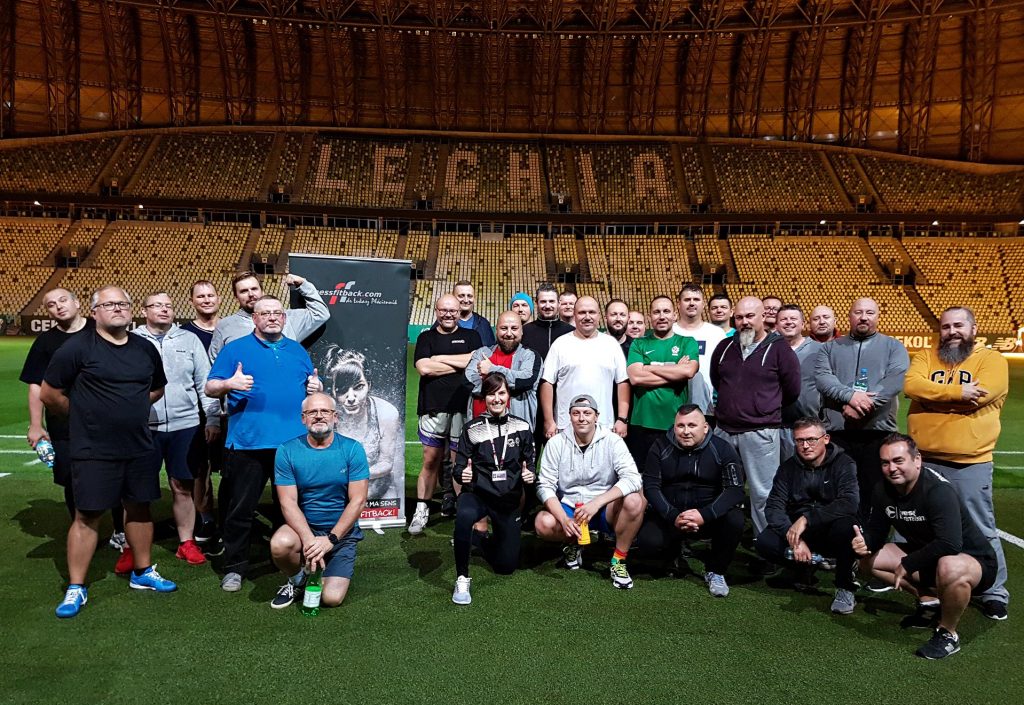
Case 2: Gdańsk Name of project / programme: Year of start / opening: Country: Target group: Age: City size: Type of sport: Ekstra FAN 2015 Poland socially disadvantaged adults, overweight individuals, football fans 35–60 years more than 100.000 inhabitants Mixed activities (fitness, football, aerobic) Content of project / programme Short description: Ekstra FAN is a sport-health programme based in Gdańsk, Poland, dedicated to adult football fans with overweight and sedentary lifestyles. The initiative provides free-of-charge structured physical activity, nutrition counselling, and psychological support to foster long-term health improvements. Long description: Ekstra FAN was launched in 2015 as a collaborative project between Stadion Energa Gdańsk, Gdańsk Health Promotion Centre, and local sports clubs such as Lechia Gdańsk and Trefl Gdańsk. Inspired by the British programme Football Fans in Training, the initiative targets adults aged 35 to 60 years with high BMI indexes, aiming to reduce health inequalities through structured lifestyle change. The project runs in seasonal cycles of 12 weeks, where selected participants—based on BMI and medical qualification—take part in twice-weekly training sessions complemented by educational workshops on nutrition, physical activity, and health psychology. A key innovation of Ekstra FAN is its use of the emotional connection between fans and their club to foster sustained engagement and reduce dropout rates. Sessions are held in the stadium or local sport facilities. In addition to training, participants receive professional health assessments at the beginning, middle, and end of the programme, including follow-up checks after several months to assess long-term impact. A refundable deposit is required to encourage commitment. Ekstra FAN is available in both male and female editions (Ekstra FAN Ladies), with strong support from local institutions and sports organisations. The project has demonstrated measurable outcomes, with average participant weight loss exceeding 6 kg per cycle. It also builds social bonds and increases participants’ sense of self-efficacy and wellbeing. The initiative is scalable and has been proposed as a model for local governments and sport clubs to integrate public health promotion into their community outreach activities. Ekstra FAN exemplifies the use of sports identity to engage otherwise excluded or hard-to-reach groups. The project has ended in 2021 mainly due to pandemic. Aspects of good practice: Ekstra FAN is considered a good practice because:– it successfully engages a hard-to-reach group (middle-aged sedentary men and women with overweight);– it integrates health education with physical activity in a structured, accessible format;– it leverages the strong emotional bond between sports clubs and their fans to increase motivation and retention;– it offers a multidisciplinary approach involving medical professionals, trainers, and psychologists;– it is embedded in local infrastructure, using stadium facilities and community networks;– it is scalable and adaptable to other localities and clubs.

Poland

Case 1: Warsaw 1

Case 1: Warsaw 1 Name of project / programme: Year of start / opening: Country: Target group: Age: City size: Type of sport: Etnoliga 2005 Poland refugees, ethnic minority, women, social-economically disadvantaged youth, adults more than 100.000 inhabitants Ball games (soccer) Content of project / programme Short description: Etnoliga is a grassroots football initiative based in Warsaw, Poland, founded in 2005. It promotes multicultural integration and inclusion through sport. Open to people of various nationalities, genders, and backgrounds, the project uses football as a tool for social connection and community building. Long description: Etnoliga is a long-standing intercultural football league that began in 2005 with a one-time tournament for Chechen and African refugees and Polish students. Due to growing interest, the league became a regular programme, launching a full season in 2010. Etnoliga is organized by the Fundacja dla Wolności (Freedom Foundation) and has since evolved into a multifaceted initiative integrating migrants, refugees, and local residents through football. Matches are played in mixed-gender and multinational teams, with league regulations requiring a minimum of three nationalities and at least two women per team. Participation is free of charge, reducing barriers for individuals with lower socioeconomic status. Fair play and social contributions (like volunteer activity) are rewarded through a points system. Etnoliga currently hosts over 700 regular participants from more than 60 countries, including Ukraine, Nigeria, Colombia, and Turkey. Many participants come from marginalised backgrounds, including asylum seekers who have limited access to other public activities. The project’s accessibility and open format make it one of the few options for such individuals to actively engage in a social environment. The initiative is also accompanied by training academies for children, social events, cultural exchanges, and collaborative workshops. Its junior academy began in 2012, originally focused on children from the Caucasus, and now includes many young Ukrainian refugees. Etnoliga has received international recognition, including a UEFA Grassroots Award in 2020. It partners with several institutions such as the Fare Network, PZPN, and the City of Warsaw. The project is deeply embedded in local networks and exemplifies how sport can function as a vehicle for intercultural dialogue, inclusion, and urban cohesion. Aspects of good practice: Etnoliga is considered a good practice because: it successfully reaches its diverse and marginalised target groups; it removes participation barriers by being entirely free of charge; It is consistently organized (30th edition in 2025, despite the model of financing NGO initiatives in Poland, focusing on a new projects) it builds inter-sectoral and intercultural networks, engaging local governments, NGOs, and international partners; it promotes gender equality and social inclusion through mandatory mixed-gender teams and inclusive policies; it combines sport with broader educational and integration objectives; it is embedded in an ecosystem of social, cultural, and educational activities;it has been recognised by international organisations for its innovative approach to inclusion through sport. Link to the website

Scroll to Top